

As M&A activities climb across the region, rising regulatory complexity and shifting market dynamics are redefining strategy, execution and the evolving role of general counsel. Asia Business Law Journal staff report
M&A across the Asia-Pacific is rising again, not in a sudden surge, but with the steady insistence of a market that has found its footing. What makes this upswing distinctive is not just that activity is increasing, but how it is increasing. The centre of gravity shifts towards transactions that are larger, cross-border and tightly linked to strategic repositioning.
Buyers are pursuing fewer targets, but with deeper diligence, more sophisticated structuring and a sharper focus on regulatory execution. Sellers, for their part, are learning that certainty and speed often matter as much as headline price, especially in complex, multi-jurisdictional deals where approvals, financing and conditionality can determine whether a transaction is completed at all.
Sector priorities also narrow around themes that investors can underwrite through cycles, such as digital infrastructure, technology and AI-enabled businesses, energy transition and renewables, healthcare, and high-quality industrial and logistics assets.
Although M&A is gathering steam, geopolitical tensions, particularly the ongoing conflict in the Middle East and the evolving US tariff and trade policy, could temper activity to some extent. According to Yi Wayn Ng, the newly appointed M&A team lead and corporate partner at Singapore law firm Donaldson & Burkinshaw, these developments are also likely to trigger heightened regulatory scrutiny and more intensive due diligence processes.
“Geopolitical factors will undoubtedly influence M&A dynamics in 2026 … the recent escalation of tensions in the Middle East has introduced energy price volatility and renewed shipping risk, while ongoing US-China strategic competition continues to reshape global supply chains and investment flows,” she says.
“These pressures have led to firmer regulatory scrutiny across major economies, including expanded foreign investment screening and heightened national security reviews. In response, corporations are placing greater emphasis on supply chain diversification to mitigate concentration risk.”
It’s not all doom and gloom, though, as Ng remains cautiously optimistic, noting that such “uncertainty has tended to redirect capital rather than suppress it”. She expects Singapore to continue serving as a lightning rod for M&A activity, citing the country’s “regulatory clarity, legal infrastructure and institutional stability” as enduring competitive advantages.
Ng also foresees strong M&A momentum beyond Singapore. “Vietnam and Malaysia are likely to see some of the strongest growth in inbound activity,” she predicts. Vietnam’s manufacturing strength and role in supply chain diversification, combined with Malaysia’s fast-growing data centre and semiconductor sectors, are positioning both countries as emerging hotspots for deal-making.
Ng added that these developments have not gone unnoticed by investors outside of Asia.
“Both jurisdictions are increasingly attractive to Chinese and European investors seeking operational scale within Southeast Asia. That said, I do expect Singapore to remain among the top destinations,” she says.
Upward trajectory
Asia-Pacific’s M&A landscape has entered a transformative era. Dealmakers report a shift towards larger, more strategically driven transactions as investors capitalise on market conditions and structural reforms.
The clearest data point comes from Japan, where Takafumi Ochiai, a senior partner and the head of the policy research institute at Atsumi & Sakai in Tokyo, tells Asia Business Law Journal the country’s M&A market “shattered all records in 2025”, reaching roughly about USD230–350 billion and nearly 5,000 transactions. In the first half of 2025 alone, Japan rose to the third-largest M&A market globally, says Ochiai. The two largest deals were Toyota Fudosan’s acquisition of Toyota Industries in a USD33.3 billion private transaction and NTT’s acquisition of NTT Data valued at USD16.4 billion, he adds.

The momentum extends across the region. In South Korea, 2025 saw an increase in both deal value and volume in comparison with 2024, says Ho Joon Moon, a managing partner at Lee & Ko in Seoul. He says this is likely due to the downward stabilisation of interest rates, as well as an increase in assets coming to market because of large conglomerates’ restructuring efforts.
Companies appear to be holding substantial investment capacity from an industrial and economic perspective, and are making concerted efforts to identify future growth engines, says Moon.
In China, the rebound in deal volume is more pronounced than value for private M&A transactions, says Norman Zhong, a partner at Fangda Partners in Shanghai. “Exit transactions are getting done” again, with domestic buyers the dominant acquirers.
Mega deals remain driven by strategic players, with activity strongest in technology, AI, advanced manufacturing, biopharma, healthcare and energy transition, observes Ulrike Glueck, a managing partner at CMS in Shanghai.
In Hong Kong, Joey Chau, a partner at Kirkland & Ellis, says she has witnessed bigger deal values rather than higher volumes, largely attributable to large-scale privatisations as investors capitalise on undervalued Hong Kong-listed assets. Kirkland advised on the USD7.1 billion privatisation of ESR Group and the USD13.6 billion privatisation of Hang Seng Bank, both completed in 2025.
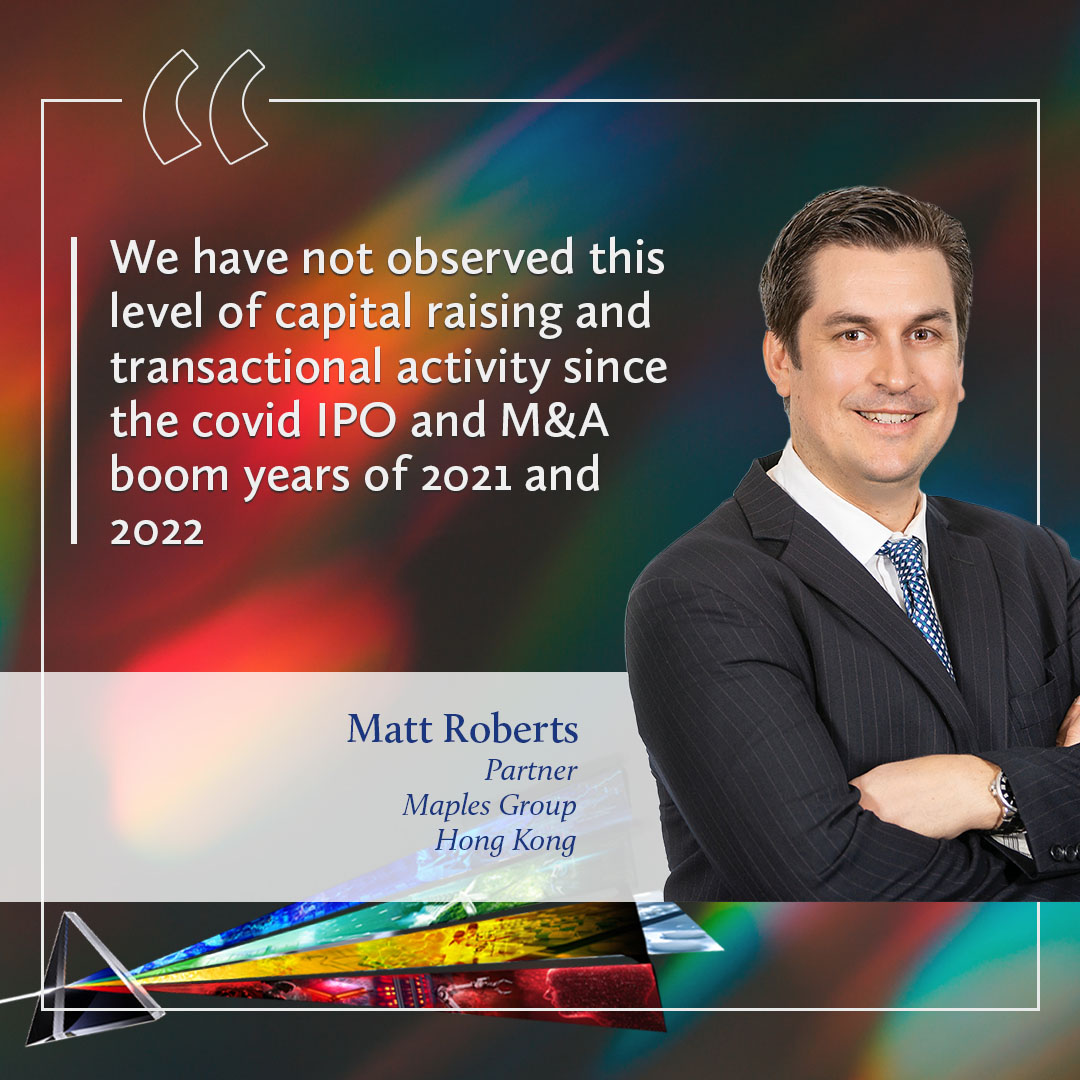
“We have not observed this level of capital raising and transactional activity since the covid IPO and M&A boom years of 2021 and 2022,” says Matt Roberts, a partner at Maples Group in Hong Kong.
South and Southeast Asia also show a blend of rising deal activity and greater selectivity. The Indian market has seen more billion-dollar valuation deals, with both size and volume rising in tandem, says Vikram Raghani, a senior partner and executive committee member at JSA in Mumbai. M&A focus has been on financial services, especially banks, consumer goods, real estate, manufacturing (including pharmaceuticals), healthcare, and global capability and data centres, he says.
Vietnam’s M&A market in 2025 was more value-driven than volume-driven, says Dang The Duc, the founder of Indochine Counsel in Ho Chi Minh City. The country’s 2025 M&A value increased by about 30%, supported by fewer, larger transactions in real estate, manufacturing, healthcare and technology.
Contrasting with Vietnam’s selectivity, Malaysia’s deal volume surged roughly 87% year-on-year to USD8.3 billion, says Munir Abdul Aziz, an M&A partner at Wong & Partners in Kuala Lumpur. Within Malaysia and the broader Asean belt, sectors most visible at the top end were communications and technology, infrastructure and industrials, and healthcare platforms, says Andre Gan, an M&A partner at Wong & Partners in Kuala Lumpur.
The Philippine market is experiencing a shift towards fewer but more consequential transactions, says Jerry Coloma III, a senior partner at Mosveldtt Law in Manila. Large-ticket deals in energy, infrastructure and financial services are proceeding with longer timelines and deeper diligence, as interest rates and peso-dollar volatility have sharpened investor discipline.
Australia holds steady, as its M&A market remained resilient. Natsuko Ogawa, an M&A partner at Ashurst in Melbourne, says deal activity has stayed at “healthy volumes” in the past three years. The biggest sectors by total deal value have been mining and resources, particularly critical minerals, followed by real estate, financial services and technology.
Regulatory tailwinds
The recent uptick in M&A activity across Asia has been accompanied by new regulatory initiatives, with lawyers in the region explaining that governments are introducing measures aimed at facilitating and improving deal execution.
“One important development [in Vietnam] is the new Investment Law taking effect from March 2026, which continues the trend of streamlining investment procedures, narrowing conditional business lines and improving legal clarity for foreign investors,” says Dang. This reform is expected to simplify market entry processes while clarifying approval requirements, a shift that could reduce uncertainty for investors assessing potential acquisitions in the country.
This sentiment is echoed in China, according to Zhong. “For inbound M&A/FDI, rules and practices are stable overall and further relaxed in some sectors. For example, the 2024 foreign strategic investment regulations have helped streamline the processes for foreign strategic investors to invest in China-listed companies, reducing lockup and size threshold requirements, and expanding eligible investor categories.”
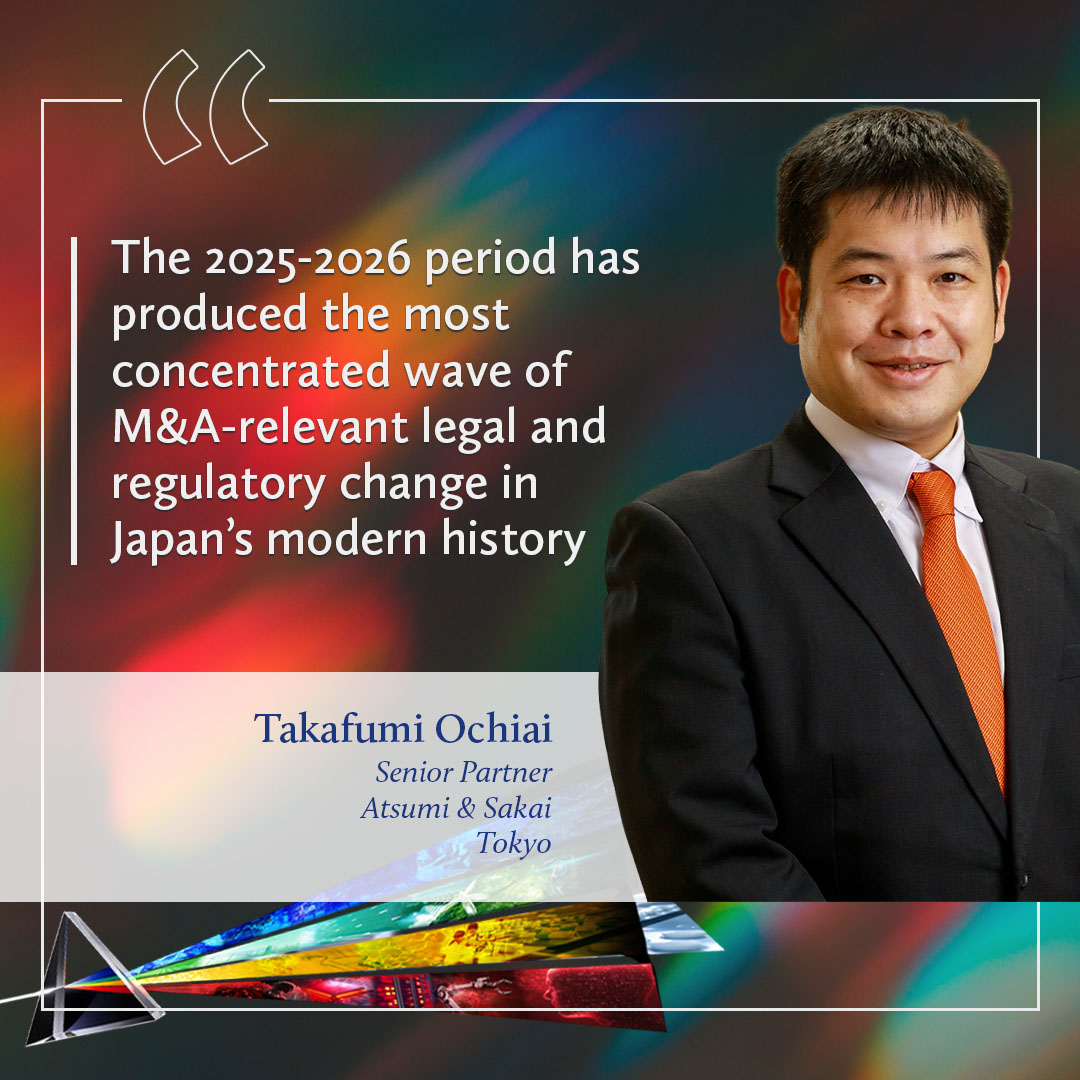
In Japan, Atsumi & Sakai’s Ochiai notes that “the 2025-2026 period has produced the most concentrated wave of M&A-relevant legal and regulatory change in Japan’s modern history”.
One example is the recent cross-ministerial discussion progressing, indicating the direction for the next Foreign Exchange and Foreign Trade Act (FEFTA) amendment, with legislation expected this year. The discussion proposes streamlining reviews by narrowing designated sectors and the scope of inward direct investment, while recommending the introduction of indirect acquisition regulations and a post-investment intervention system for non-designated sectors.
“FEFTA compliance is one of the most critical regulatory risks in cross-border M&A,” says Ochiai. “Accordingly, including FEFTA approval as a closing condition precedent and maintaining proactive engagement with regulators are essential.”
Hurdles to watch
Even with activity rising, in-house teams and law firms are monitoring evolving regulations that may pose challenges to completing transactions.
This is especially so in the Philippines, where merger control under the Philippine Competition Commission continues to materially influence transaction timing and structuring. “Regulatory strategy now defines deal success,” says Coloma III.
“Effective March 2025, compulsory notification thresholds have been adjusted to a size of party of PHP8.5 billion [USD146 million] and a size of transaction of PHP3.5 billion, making early competition analysis critical to execution planning.”
Mergers that could result in a substantial lessening of competition are subject to review in Singapore, too, according to Robson Lee, a director at Legal Solutions. “Although merger notifications in Singapore are voluntary, it is important to seek [the] Competition and Consumer Commission of Singapore’s assessment for proposed transactions in sectors like telecoms, utilities and transport,” says Lee.
In South Korea, Hee Woong Yoon, a managing partner at Yoon & Yang in Seoul, says: “The issue with the greatest potential impact is the proposed introduction of the Mandatory Tender Offer (MTO) rule.”
According to Yoon, an acquisition could have been completed previously by purchasing only the controlling shareholder’s stake. Under the MTO regime, however, the acquirer would also need to purchase minority shareholdings, potentially increasing funding requirements from several hundred billion Korean won to trillions of won.
Lee & Ko’s Moon agrees. “Regulators are currently considering in parallel a 100% mandatory tender offer model and a majority mandatory tender offer model (50%+1), which could lead to significant changes in the structures of listed company acquisition transactions.”
GCs at the centre
As regulatory scrutiny intensifies across jurisdictions, in-house lawyers are expected to act as strategic advisers, risk managers and cross-border navigators, guiding deals through complex regulatory environments while ensuring commercial objectives remain achievable.
Across jurisdictions, regulatory considerations are no longer a downstream compliance issue but a core driver of deal design. Legal teams are being drawn into transactions earlier, with responsibility for mapping regulatory feasibility alongside valuation and strategic planning.
Dang, of Indochine Counsel, says regulatory feasibility should be assessed upfront, rather than treated as a later-stage hurdle. Early mapping of applicable laws, approvals and timelines enables transaction documents to be structured realistically and helps minimise execution risk as deals progress.
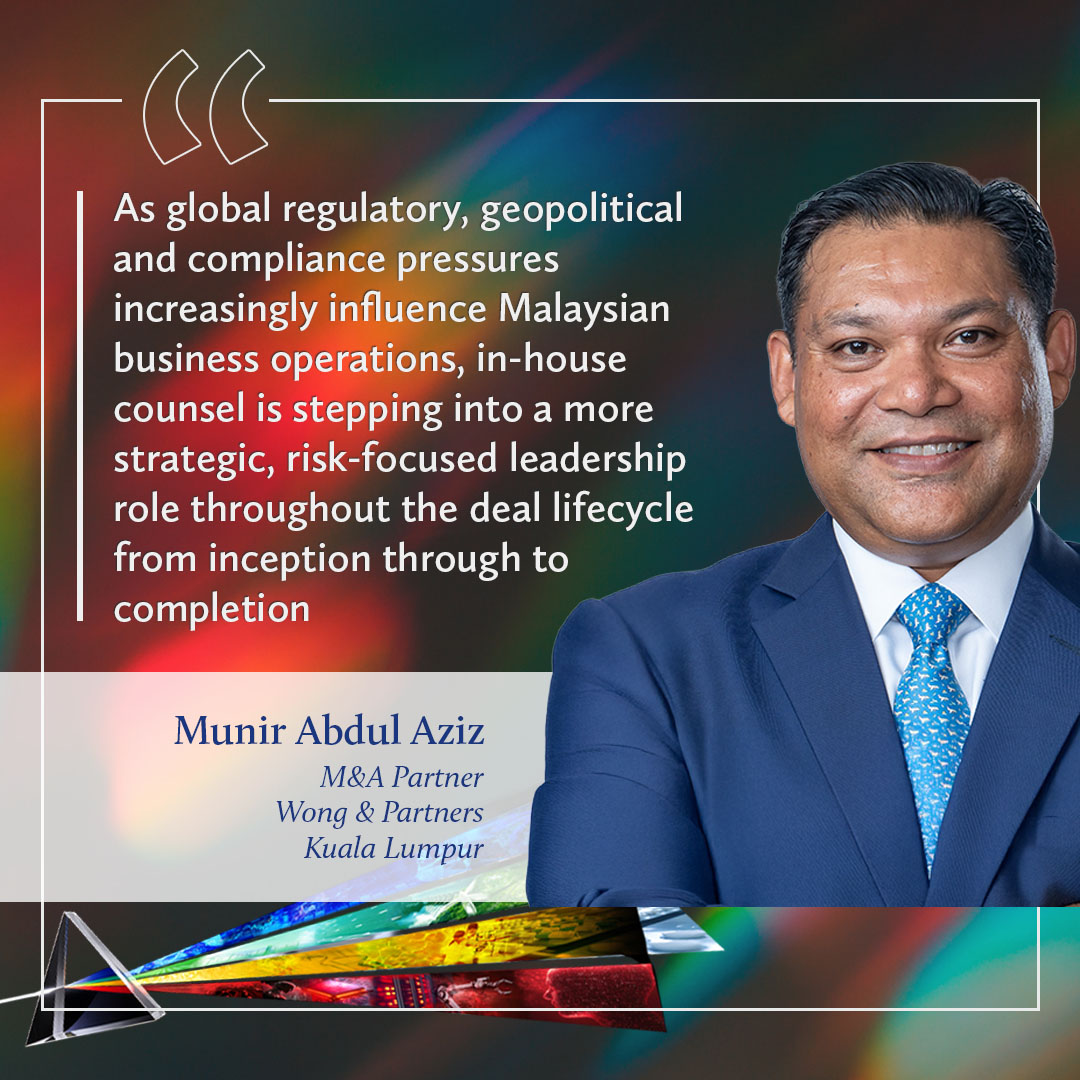
This proactive positioning reflects a broader shift in expectations. In Malaysia, for example, in-house counsel are increasingly embedded in strategic decision making rather than confined to legal review. “As global regulatory, geopolitical and compliance pressures increasingly influence Malaysian business operations, in-house counsel are stepping into a more strategic, risk-focused leadership role throughout the deal lifecycle from inception through to completion,” notes Wong & Partners’ Aziz.
Echoing the need for strategic planning, Nicholas Tan Choi Chuan, an M&A partner at Shearn Delamore & Co in Kuala Lumpur, says that while Malaysia lacks a blanket foreign direct investment (FDI) regime, sector-specific foreign ownership restrictions and licensing requirements require early analysis, often at the term sheet stage, particularly as the country considers introducing a broader merger control framework.
Cross-border navigation
While regulatory complexity has long shaped cross-border M&A, experts say that general counsel today must co-ordinate overlapping frameworks across jurisdictions simultaneously.
Simon Chan, a senior partner and the corporate group head at Dorsey’s Hong Kong office, says cross-border transactions now require a “complete 360” analysis, encompassing beneficial ownership structures, asset locations, financing arrangements and the geopolitical context surrounding sanctions regimes such as the Hong Kong United Nations Sanctions Ordinance.
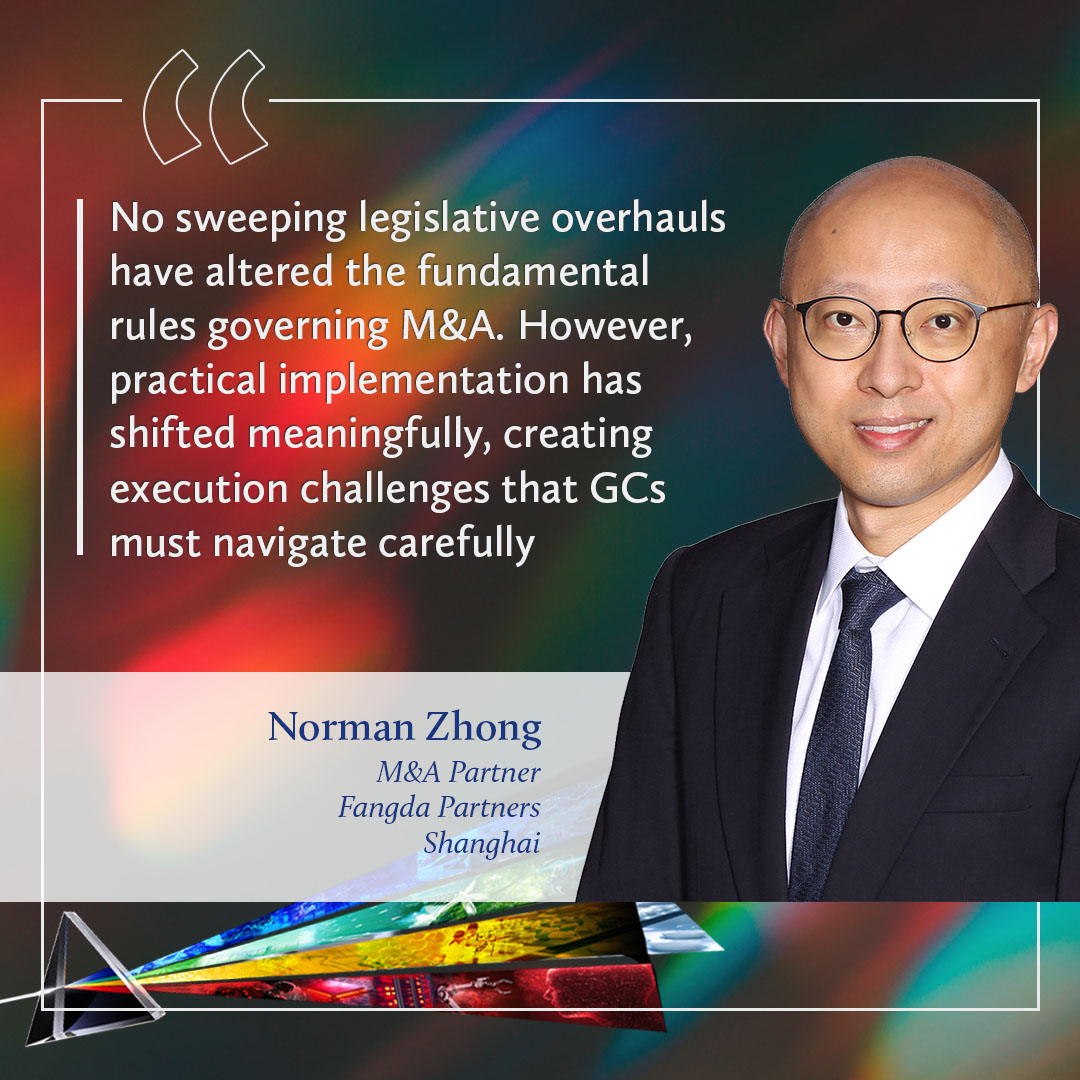
In China, while Zhong says that “no sweeping legislative overhauls have altered the fundamental rules governing M&A”, he adds that “practical implementation has shifted meaningfully, creating execution challenges that GCs must navigate carefully”.
Zhong explains that outbound investments in China face tighter approval practices requiring enhanced pre-filing preparation, while inbound foreign investment rules have eased in selected sectors following reforms to foreign strategic investment regulations, creating a nuanced environment that requires careful navigation.
Preparing for turbulence
As transactions move into execution, differences in local administrative systems and regulatory practice become increasingly significant. One notable pitfall for international investors is assuming regulatory processes operate uniformly across markets.
In Vietnam, Dong Ho Yoo, the head of Jipyong Vietnam, says that headquarters counsel from more developed jurisdictions have “the tendency to project mature-market or foreign regulatory assumptions directly onto Vietnam”, leading to unrealistic timelines or misaligned expectations. Even where legislation appears progressive, implementation may vary by locality, and evolve gradually, making early stakeholder engagement and jurisdiction-specific execution strategies essential.
South Korea presents a similar need for early planning. Moon, of Lee & Ko, advises general counsel to map out filing pathways across multiple agencies, including competition and industry regulators, while building buffer periods into transaction timelines. Advance assessment of national core technologies, labour considerations and environmental risks can prevent delays once formal reviews begin.
In Hong Kong, Chau, of Kirkland & Ellis, highlights the need for detailed familiarity with the takeovers code, listing rules, securities and futures ordinance and competition ordinance, even in the absence of a mandatory merger control regime.
Broader geopolitical and policy shifts are also shaping how general counsel approach deal risk. Michelle Phang, Simmons & Simmons’ Singapore-based partner and head of M&A, Southeast Asia, says that keeping pace with constant regulatory change, such as with US tariff policies, has become a central challenge for in-house teams.
Wong & Partners’ Gan in Malaysia warns that risks related to ESG (environmental, social and governance) compliance, data governance and geopolitical exposure often emerge unexpectedly through routine commercial activity. Without early identification, these issues can escalate into disputes or regulatory scrutiny that jeopardise transaction timelines.
In Australia, Ashurst’s Ogawa says: “ACCC [Australian Competition and Consumer Commission] merger clearance processes will make it more challenging for companies with high market share to grow by M&A,” potentially creating opportunities for new entrants through forced divestments.
Dan Harris, an M&A partner at A&O Shearman in Sydney, highlights the introduction of a mandatory merger filing regime. “The impact of the transition to a mandatory merger filing regime from 1 January 2026 is still unfolding, but general counsel should be alert to the potential inclusion of deal terms not historically common in Australia, such as ‘hell or high water’ clauses.” The hell or high water provision, according to an Ashurst report, seeks to provide the strongest form of commitment that obligates the buyer to take all actions necessary to ensure that a particular outcome is achieved.
Execution risks also extend beyond regulatory approvals to operational and tax exposures. Jack Sheehan, a managing partner at DFDL, stresses that thorough tax due diligence in Vietnam is essential to uncover hidden liabilities or audit risks that could materially affect transaction economics or post-closing obligations. “Recent developments in share deals emphasise the necessity of tax due diligence, allowing parties to rely on identified issues and risks for indemnification negotiations, or securing warranty and indemnity insurance coverage,” says Sheehan.
Cautious optimism
Asia’s M&A outlook for 2026 signals broad-based growth, tempered by greater strategic selectivity, with rising deal activity anticipated across China, Vietnam, South Korea, Japan, India, Malaysia, the Philippines and Hong Kong. Fangda’s Zhong attributes it to the fact that “Chinese regulators continue signalling openness through streamlined processes for strategic investments, shortened negative lists, and public affirmations of market access commitments”.
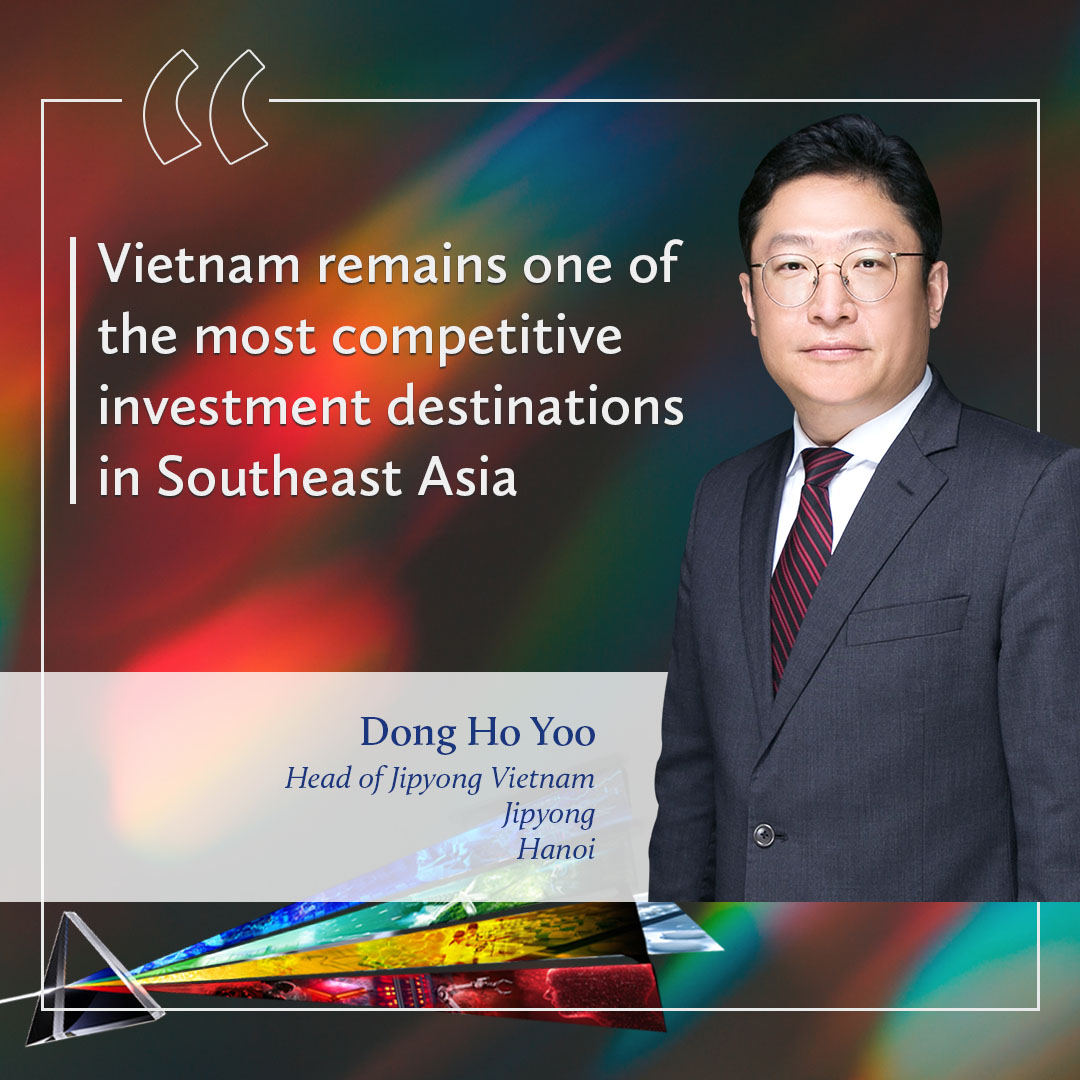
Jipyong’s Yoo is similarly upbeat about Vietnam’s prospects, describing the country as “one of the most competitive investment destinations in Southeast Asia”.
This optimism is underpinned by a confluence of supportive economic and regulatory factors. Monetary easing and improving valuations are key tailwinds, particularly in South Korea, where Lee & Ko’s Moon predicts M&A will “continue to increase … supported by monetary easing, a more buoyant stock market, and growing investments in AI infrastructure”.
In Hong Kong, foreign investment is being encouraged, aided by the absence of a “formal foreign investment review mechanism comparable to the CFIUS [Committee on Foreign Investment in the US] in the US, or the national security screening regimes in the UK or EU”, according to Chau, of Kirkland & Ellis. She says that the company re-domiciliation regime, introduced in May 2025, “further underscores Hong Kong’s pro-business orientation” as it attracts “foreign companies to take advantage of Hong Kong’s taxation system and professional services”.
Encouraging signs
Policy reform and regulatory stability are further strengthening investor confidence. JSA’s Raghani highlights India’s stable and reform-oriented environment, noting that “dealmaking has benefited from regulatory changes – the liberalisation of FDI rules in insurance is an example”.
Similarly, Wong & Partners’ Aziz points to Malaysia’s forthcoming “cross-sector merger control regime”, which will “add procedural certainty and align Malaysia with regional competition-law norms”.
Sectoral trends are also shaping deal priorities across the region. AI, biotech, healthcare and energy transition are emerging as top targets for future investment. Christopher Bickley, head of Asia and a managing partner of Conyers’ Hong Kong office, says certain sectors in China “appear to be developing at a faster pace than in the US and Europe, such as in the biotechnology and AI fields. These may become appealing areas for M&A over the next year.”
Client behaviour is also following certain patterns, particularly in the offshore space. Roberts, of Maples Group, says clients and investors are defying market volatility to “finally execute long-planned exit strategies and monetise their investments via capital raising and M&A transactions”.
Potential pitfalls
Yet, even as reforms and growth drivers gather pace, geopolitical complexity continues to cast a long shadow. CMS’s Glueck warns that cross-border transactions, particularly those involving China, face heightened intricacy from “geopolitical tensions, trade restrictions and sanctions”, prompting some to adopt a “wait-and-see approach”.
Jackie Donald, an M&A partner at A&O Shearman in Perth, from Australia, says that geopolitical shifts can also serve as “a key catalyst for M&A”, particularly in high-profile sectors such as mining and metals.
Heightened domestic scrutiny is adding another layer of complexity. YKVN managing partner Truong Nhat Quang, who is based in Ho Chi Minh City, foresees oversight that will “stabilise in scope but increase in precision”, emphasising that the goal is not to create “harder entry across the board”, but rather to implement “more targeted oversight to ensure that inbound capital aligns with national priorities and compliance expectations”.
Companies with offshore interests or structures will also have to adapt to heightened oversight. “The main offshore jurisdictions of the Cayman Islands and the BVI [British Virgin Islands] have not been immune from global regulatory developments such as the AEOI [=automatic exchange of information] and BEPS [base erosion and profit shifting],” says Roberts.
At the same time, unconventional risks are finding their way into M&A playbooks. Lee, of Legal Solutions, highlights threats such as the Nipah virus as potential “contractual force majeure” triggers with the potential to disrupt transaction timelines.
On evaluation, M&A activity is likely to remain dynamic yet disciplined. Policy frameworks are broadly supportive, liquidity appears robust, and market sentiment is turning constructive. That said, precision will shape future deals given the need to navigate a myriad of complexities, including regulatory shifts, geopolitical complexity and execution risks.
Beyond volume
The rising activity is accompanied by tighter regulatory frameworks, geopolitical sensitivities and increasingly strategic deal selection, reshaping how transactions are conceived and executed.

As Mosveldtt Law senior partner Coloma III sums up: “The market rewards advisers who understand not just the law, but how regulation, capital markets and enforcement trends intersect.”
That intersection is becoming the defining space for modern dealmaking, where legal strategy, commercial judgement and regulatory foresight converge. The next phase of dealmaking is likely to be defined less by volume and more by precision.
This article was contributed by Dang The Duc of Indochine Counsel, together with contributors from other law firms, and was published on Law.asia. The original article is available here: https://law.asia/ma-trends-asia-pacific-2026/