

Ho Chi Minh City, 13 April 2026
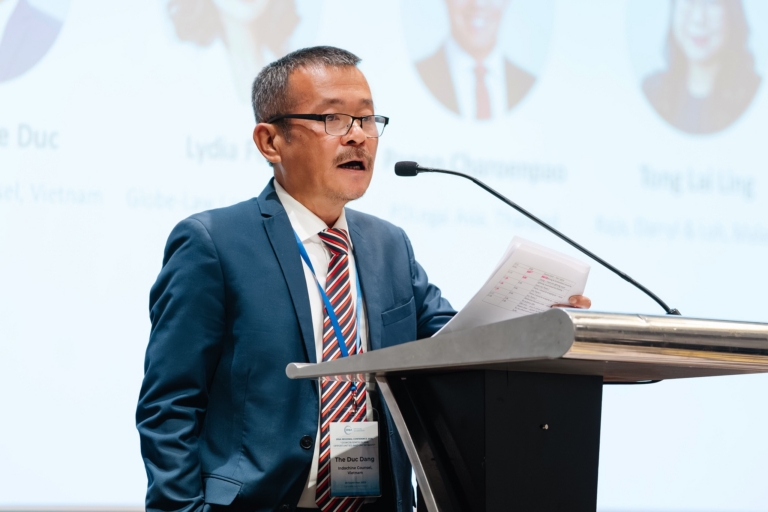
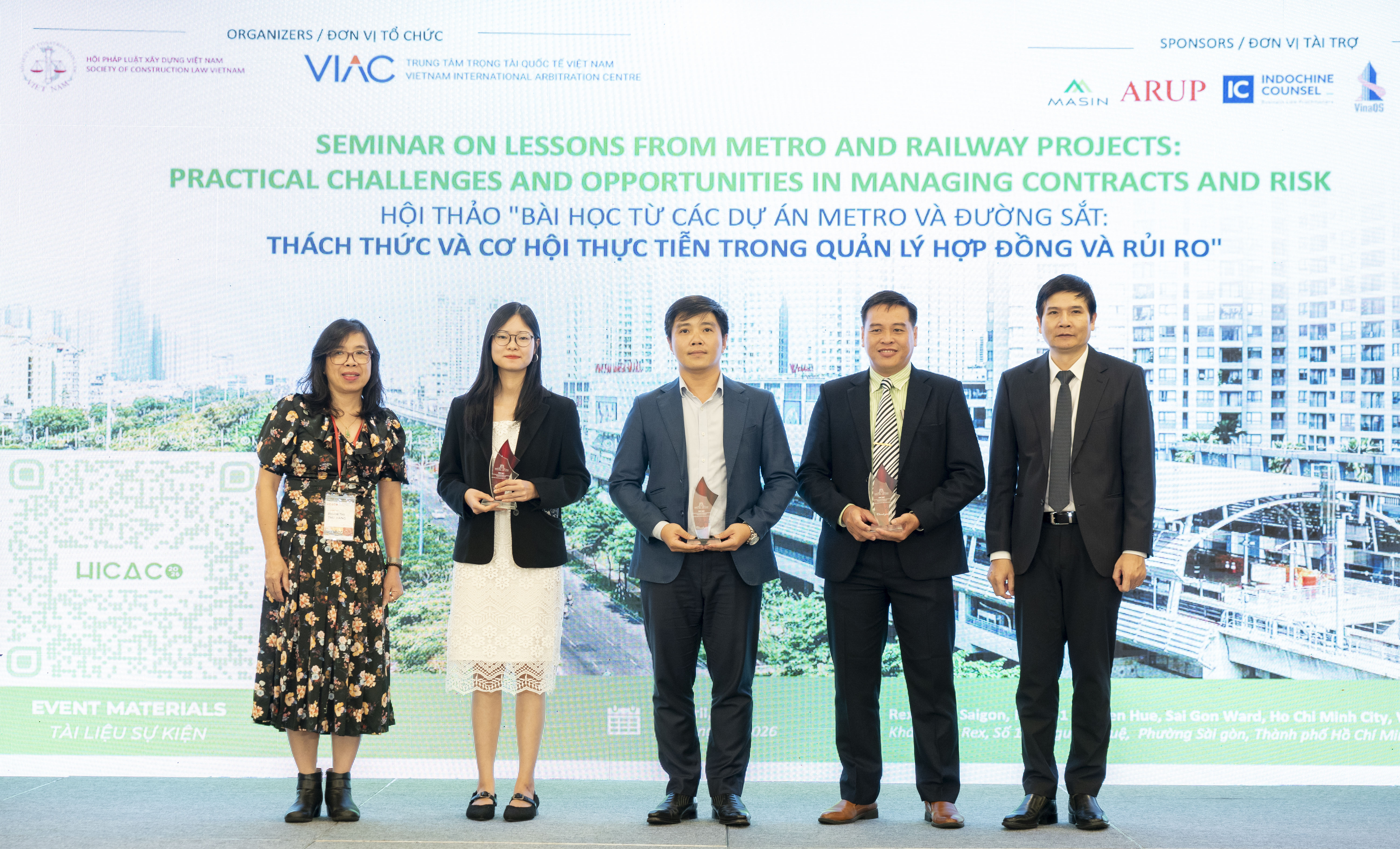
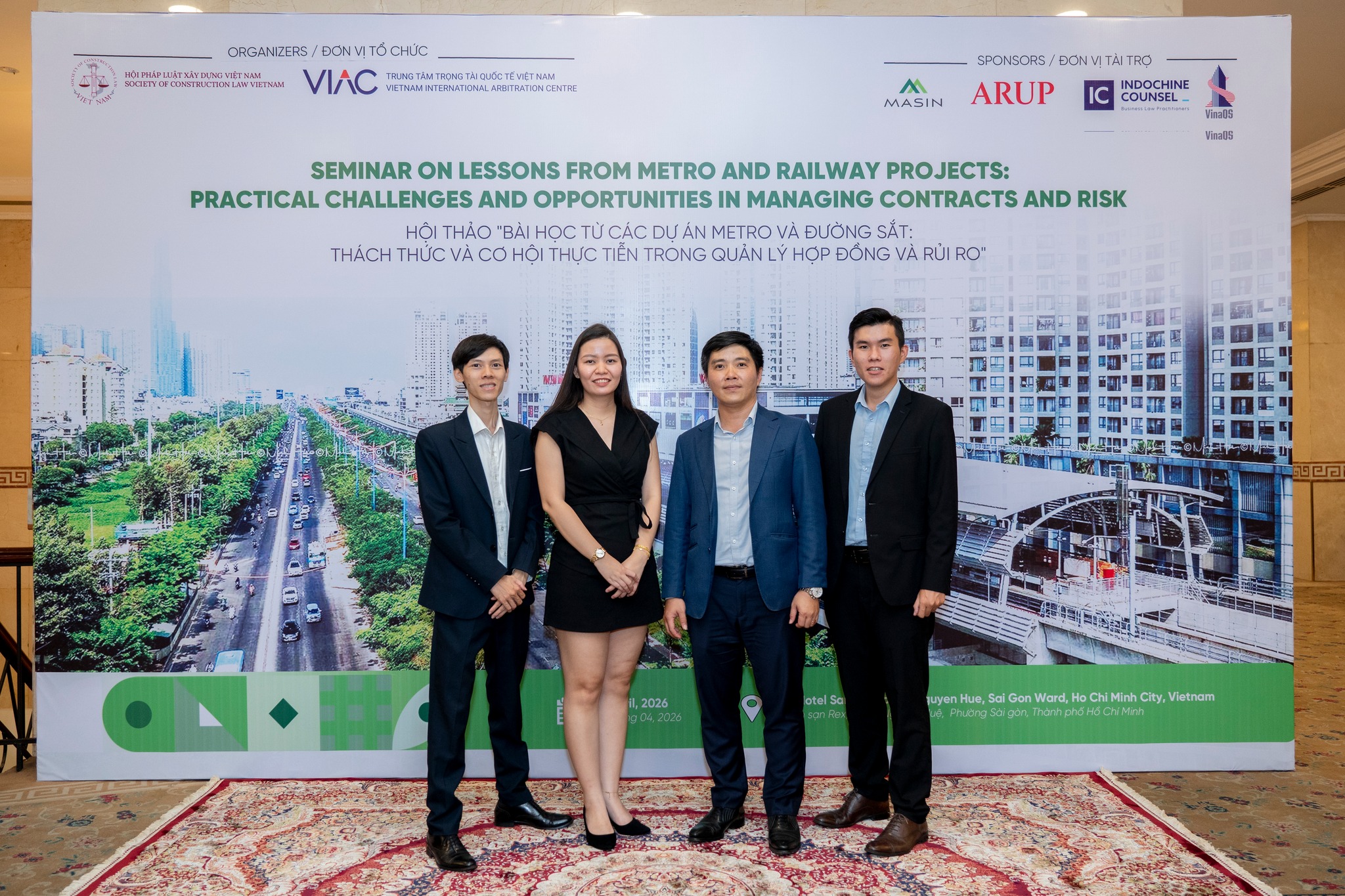
During the 10 and 11 of April 2026, Indochine Counsel was pleased to sponsor and support the HICAC 2026 side seminar titled “Lessons from Metro and Railway Projects: Practical Challenges and Opportunities in Managing Contracts and Risk”, organized by the Society of Construction Law – Viet Nam (SCLVN) and the Vietnam International Arbitration Centre (VIAC).
The seminar brought together regulators, project owners, consultants, construction professionals, and legal practitioners to exchange perspectives on how Vietnam can better navigate the next phase of large-scale infrastructure development, particularly as metro, railway, and transport connectivity projects continue to gain momentum.
A clear theme emerged throughout the discussion: when the contract does not reflect project reality, the project is already exposed to risk.
Representing IC at the forum were:
- Mr. Dang Hoan My, Partner | Co-Head of Corporate and M&A, Projects & Infrastructure
- Mr. Pham Viet Tuan, Partner | Head of Litigation & Dispute Resolution, Real Estate & Construction
- Mr. Pham Dac Hoang, Junior Associate
- Mr. Ton That Hoang, Junior Associate
Contracts as a First Line of Risk Management
Large-scale infrastructure projects are often discussed in terms of capital, engineering, timelines, and public-sector coordination. Yet, as the seminar highlighted, many of the most serious project risks begin much earlier — at the contracting stage.
For metro and railway projects, contractual weaknesses can affect the entire project lifecycle. Poorly structured contracts, unclear scope allocation, unrealistic timelines, misallocated risks, weak claims procedures, and inadequate dispute resolution mechanisms may create issues long before a dispute formally arises.
These risks are not abstract. Across major infrastructure and construction projects, recurring challenges often include contracts that do not reflect operational reality, risks being allocated to parties unable to control them, and disputes that could have been mitigated through clearer structuring at the outset.
The seminar provided a timely forum to examine these issues in the context of Vietnam’s infrastructure ambitions and to discuss practical approaches to contract management, risk allocation, and dispute prevention.
Legal Structuring Before Legal Firefighting
For Indochine Counsel, the discussion closely aligns with the firm’s experience advising on large-scale infrastructure, construction, investment, and project-related matters in Vietnam.
While project details often remain confidential, the pattern is familiar: legal support is most effective when it is brought in early enough to shape the structure of the project, not only after problems have already escalated.
In major infrastructure projects, legal advice is no longer limited to resolving disputes or reviewing documents in isolation. It plays a broader role in helping stakeholders define obligations clearly, allocate risk realistically, establish workable governance mechanisms, and create contracts that can withstand the pressures of real-world implementation.
Indochine Counsel’s sponsorship and support of the HICAC 2026 side seminar reflects the firm’s continued commitment to contributing to professional dialogue on Vietnam’s infrastructure development and staying close to the practical challenges faced by the market.
Looking Ahead
Vietnam’s infrastructure pipeline presents significant opportunities, but successful delivery will depend on more than capital, engineering, and execution. It will also require contracts that reflect commercial reality, risk allocation that is workable in practice, and dispute management mechanisms that are considered before conflict arises.
Indochine Counsel will continue to follow developments in this sector and share practical perspectives on project structuring, contract management, risk allocation, claims, and dispute resolution in Vietnam.
For further discussion on the legal and contractual issues shaping infrastructure and construction projects in Vietnam, please contact our team. Learn more about our Projects & Infrastructure practice here.